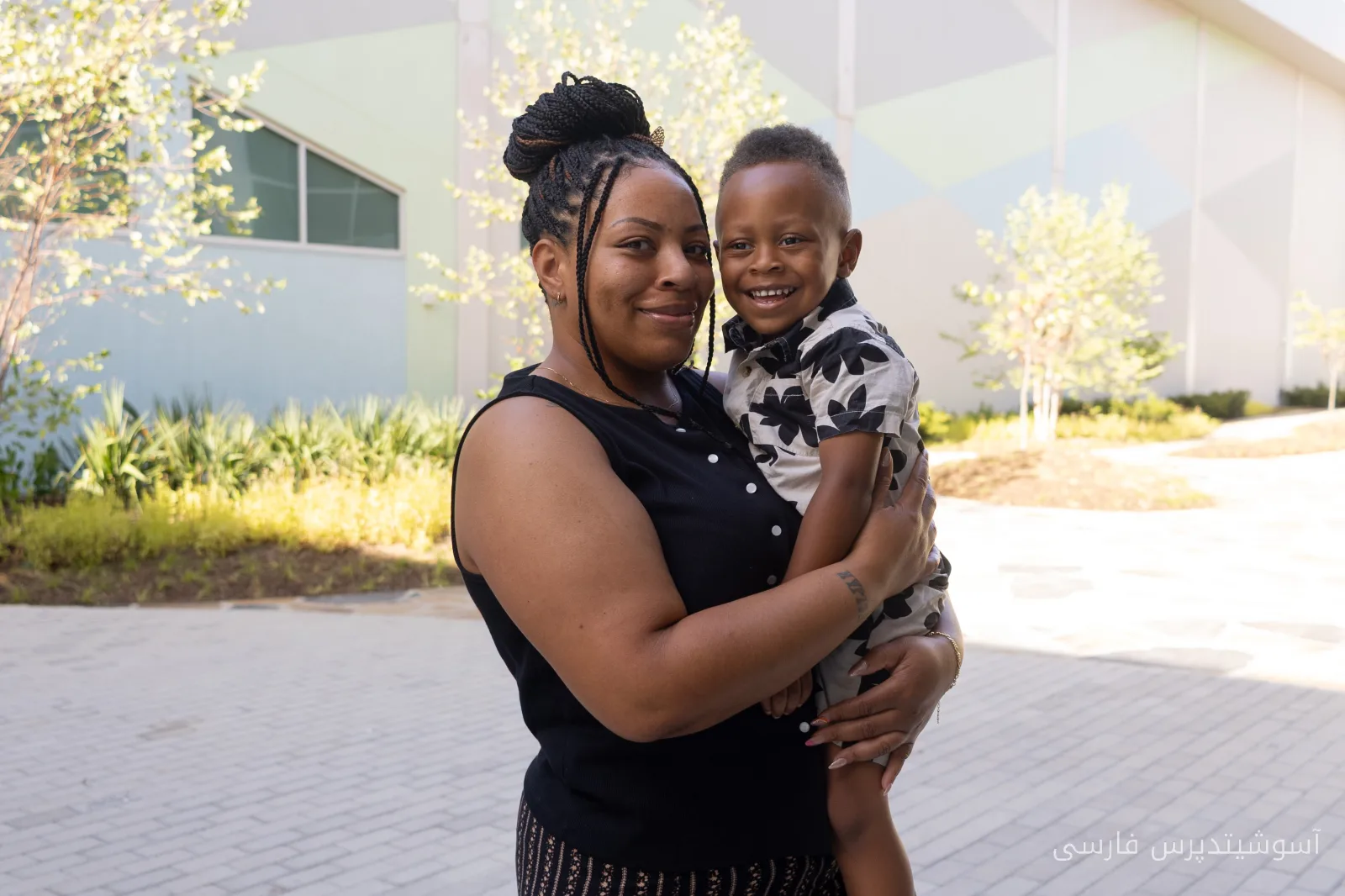
Tanisa Thomas fell into homelessness after losing her job at DHL in 2021 while pregnant. She was forced to return to her parents' home in Fort Worth, Texas, and spent nights on the couches of family and friends.
Challenges of Homelessness
During this time, Thomas faced multiple challenges. After the birth of her child, she managed to find a job at Walmart, but with her car breaking down and high transportation and childcare costs, her problems doubled. She had to use public Wi-Fi to contact aid centers.
Head Start Program and Support for Families
Eventually, with the help of the Center for Transforming Lives in Fort Worth, she enrolled her child in the Head Start program. This program, which has been around for 60 years, provides services such as childcare, meals, and support services for eligible families. The Head Start program serves over 700,000 children from birth to age 5 each year.
Thomas says, "I can undoubtedly say that if it weren't for this program, I wouldn't be alive." With the support of this program, she was able to pursue counseling and higher education and get on the path to recovery.
However, the Trump administration's new proposal to reduce enrollment requirements for the Head Start program will likely mean limited access for homeless families. This proposal includes the elimination of a regulation that allows centers to reserve spots for homeless students and children in the foster care system.
Barbara Duffield, executive director of SchoolHouse Connection, stated that many homeless families in rural and suburban areas do not have the necessary documentation to prove their status. She warns that these changes could lead to a decrease in the number of homeless students in the Head Start program.
The new proposal also limits the program's administrative costs and claims that these changes could save $2.2 billion. However, many supporters of the program are concerned about the negative impacts of these changes on needy families.
Source: npr.org