The Niger junta leader, General Abdou Ramadan, appointed a new chief of the armed forces after a deadly uprising that threatened his control over power. This change in military leadership comes as the junta faces serious challenges regarding security and political stability.
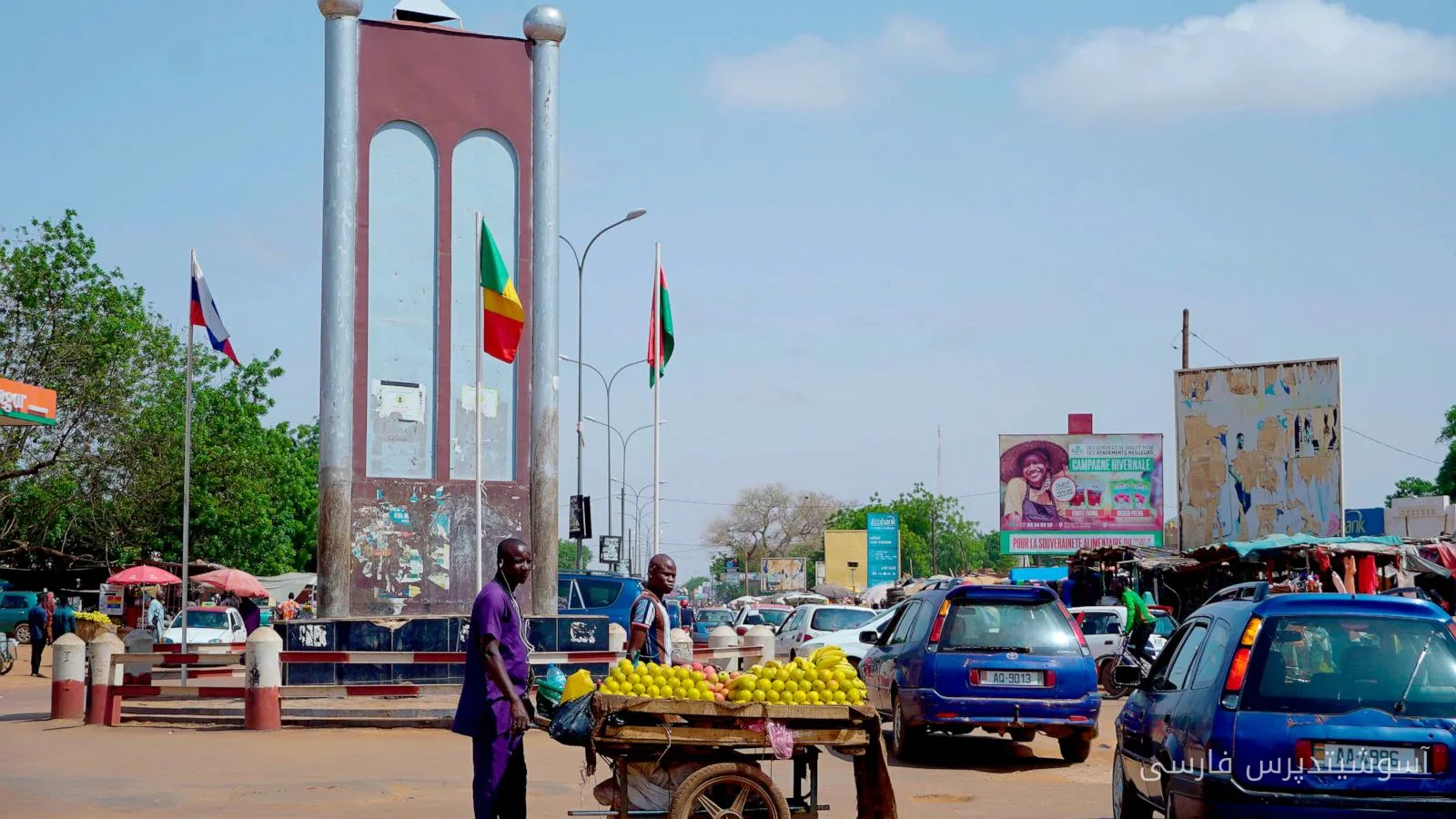
Background of the Uprising and Its Consequences
The recent uprising, which resulted in the deaths of several soldiers, has raised concerns about the junta's inability to maintain order and security in the country. This uprising is interpreted as a sign of discontent within the military and a decline in support for the current leaders. In the wake of this uprising, the junta decided to make changes in military leadership to achieve greater stability.
The new general, Suleiman Hassani, has been appointed with the goal of restoring confidence in the armed forces and improving the country's security situation. Hassani, who has previously held various positions in the military, faces challenges in combating terrorist groups and strengthening internal security.
Challenges Facing the Junta
Niger has faced increasing activities from terrorist groups, especially in border areas with Mali and Burkina Faso, over the past few years. This situation has raised serious concerns regarding national security and political stability. The junta is attempting to prevent further uprisings by changing military leadership and increasing focus on security issues.
These changes in military leadership may also lead to increased tensions with civil society and political parties. The junta is facing growing criticism from these groups, which are calling for a return to democratic processes and the holding of free and fair elections.
However, General Ramadan has emphasized in his speeches the junta's commitment to maintaining the country's security and stability, stating that any threat to the junta's power will be met with firmness. These statements reflect the junta's determination to confront any internal and external challenges.
Changes in the leadership of the Niger armed forces may be seen as a temporary measure to control the current situation, but their consequences could impact the country's political and social future. While the junta strives to protect its power, public discontent and security challenges will remain as dangerous factors.
Source: abcnews.com