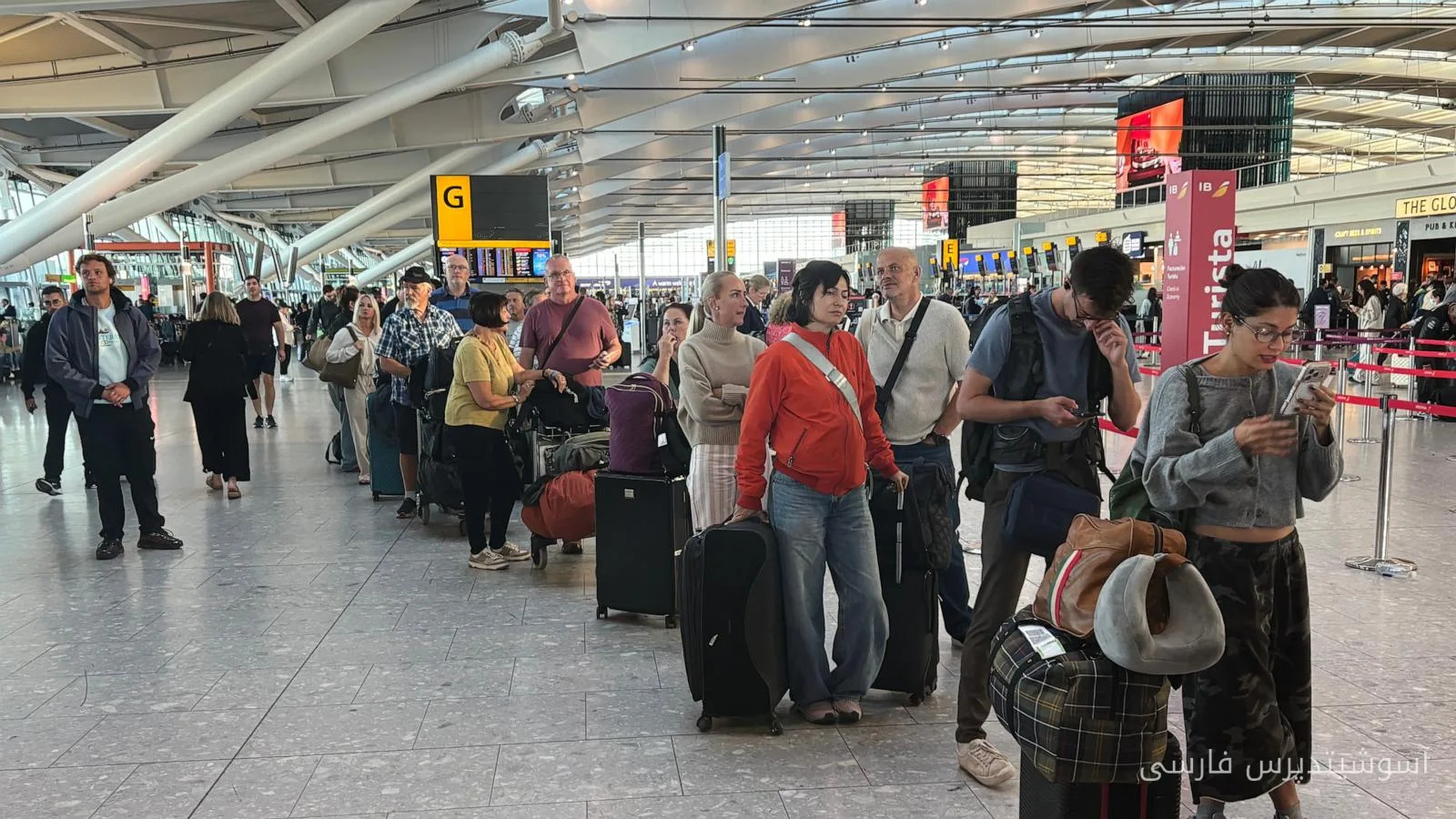
An initial report released on Friday identified a software glitch as the cause of the cancellation of over 2000 flights in the UK last week.
Software Glitch and Its Consequences
NATS, previously known as National Air Traffic Services, announced that this glitch on September 8 caused disruptions at airports across the UK and beyond, and not any human error, which many had speculated at the time. This software glitch in the national airspace system, which allocates codes to identify flights on radar, was the reason for the flight cancellations and affected hundreds of thousands of passengers.
Read more: US Postal Service Prevents Implementation of Trump's Order on Mail-in Voting
The report stated: "This incident occurred in the span of a millisecond."
Reactions and Corrective Measures
This chaos, which left passengers stranded for hours on airport runways and in terminals and took several days to return to normal, was the latest scandal for NATS, which manages the UK's air traffic control system. The incident led to increased calls for the resignation of Martin Rolfe, CEO of NATS.
Rolfe commented: "This was a software problem in a specific part of our flight data system that we traced to a small subset of codes." He added that risk mitigation measures are underway while a permanent fix is being tested and implemented.
He again apologized for the disruption and stated that this issue was not caused by "any wrongdoing by military or civilian operators." Rolfe also emphasized that this incident is not related to a previous outage in 2023 or an issue that occurred in July of last year on radar.
UK Transport Minister, Heidi Alexander, met with Rolfe following the flight disruption and requested his organization conduct a thorough investigation into the incident to ensure lessons are learned.
Alexander said: "I have now received the NATS report, and while I am pleased that passenger safety has been maintained, it is clear that we need to quickly understand why this issue was not detected and rectified before causing disruption."
She also asked the Civil Aviation Authority to conduct an independent review to examine NATS's findings and assess their investment plans to enhance resilience in the future.
The UK government owns 49% of NATS, making it the largest shareholder with a veto over key decisions. Airlines, airports, investors, and employees hold the remaining shares in this public-private partnership.
Read more: US House of Representatives Approves New Sanctions Package Against Russia · Met Office Forecasts: Warmer and Rainier Autumn Ahead for the UK
Source: abcnews.com