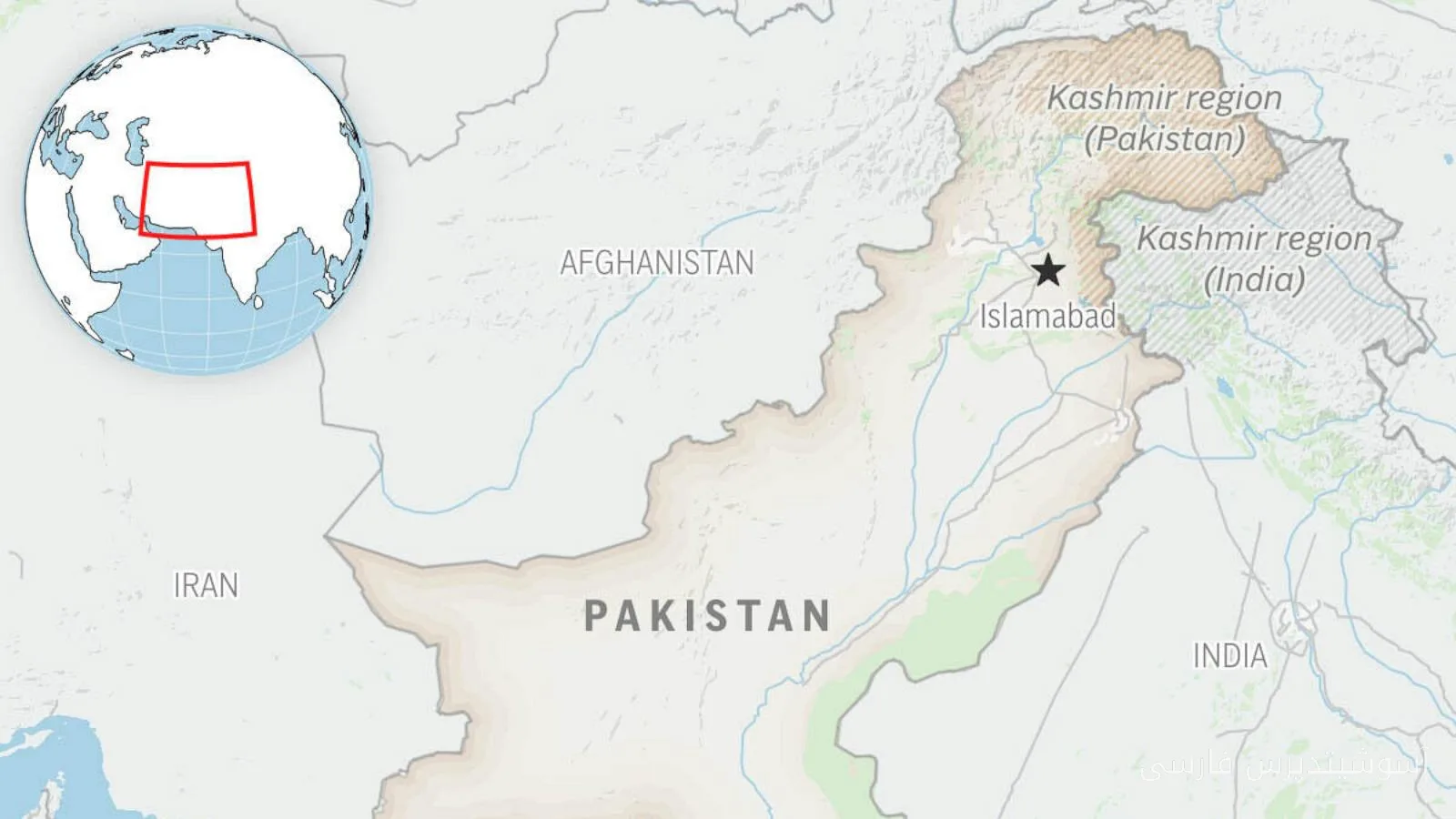
The senior official of Balochistan, Muhammad Hussain Dashti, announced on Tuesday that the provincial government has no plans to establish negotiations with rebels. These remarks were made following an increase in rebel activities and recent attacks in various areas of Balochistan.
Ongoing Tensions in Balochistan
Balochistan, the largest province in Pakistan by area, has been grappling with issues stemming from armed insurgencies and social protests for years. Various groups, including Baloch nationalists and extremist factions, have been continuously active in this province, challenging the security situation.
In his statement, Dashti referred to the importance of security and stability in Balochistan, adding that negotiations with rebels would only weaken the government and exacerbate insecurity. He emphasized that the government should focus on strengthening infrastructure and improving the living conditions of the people.
Social and Political Consequences
The decision not to engage in negotiations with rebels could have profound implications for the social and political situation in Balochistan. Some analysts believe that this approach may lead to increased tensions and armed resistance. At the same time, human rights groups have warned of the potential for escalating violence and human rights violations if strict policies continue.
The government of Pakistan has so far attempted to control the insurgencies through military and security measures. However, many believe that sustainable solutions require dialogue and engagement with local representatives and rebel groups.
In recent years, several rounds of negotiations with rebel groups in Balochistan have taken place, but these talks have often stalled due to a lack of trust and deep-seated disagreements. With the rejection of negotiations by the senior official of Balochistan, it seems that a new wave of tensions and conflicts may begin in this region.
Ultimately, Dashti's remarks may indicate the continuation of the government's hardline approach towards rebels. These policies could, in turn, have negative impacts on the economic and social conditions in Balochistan and lead to increased insecurity and distrust among the people.
Source: abcnews.com