In the world of cinema, sometimes films go beyond art and enter political and social arenas. This is especially true for the new film by Ilya Khrzhanovsky, the Russian director, who has faced severe criticism for the lack of condemnation of the war in Ukraine by his lead actor, Teodor Kourentzis.
Criticism and Reactions
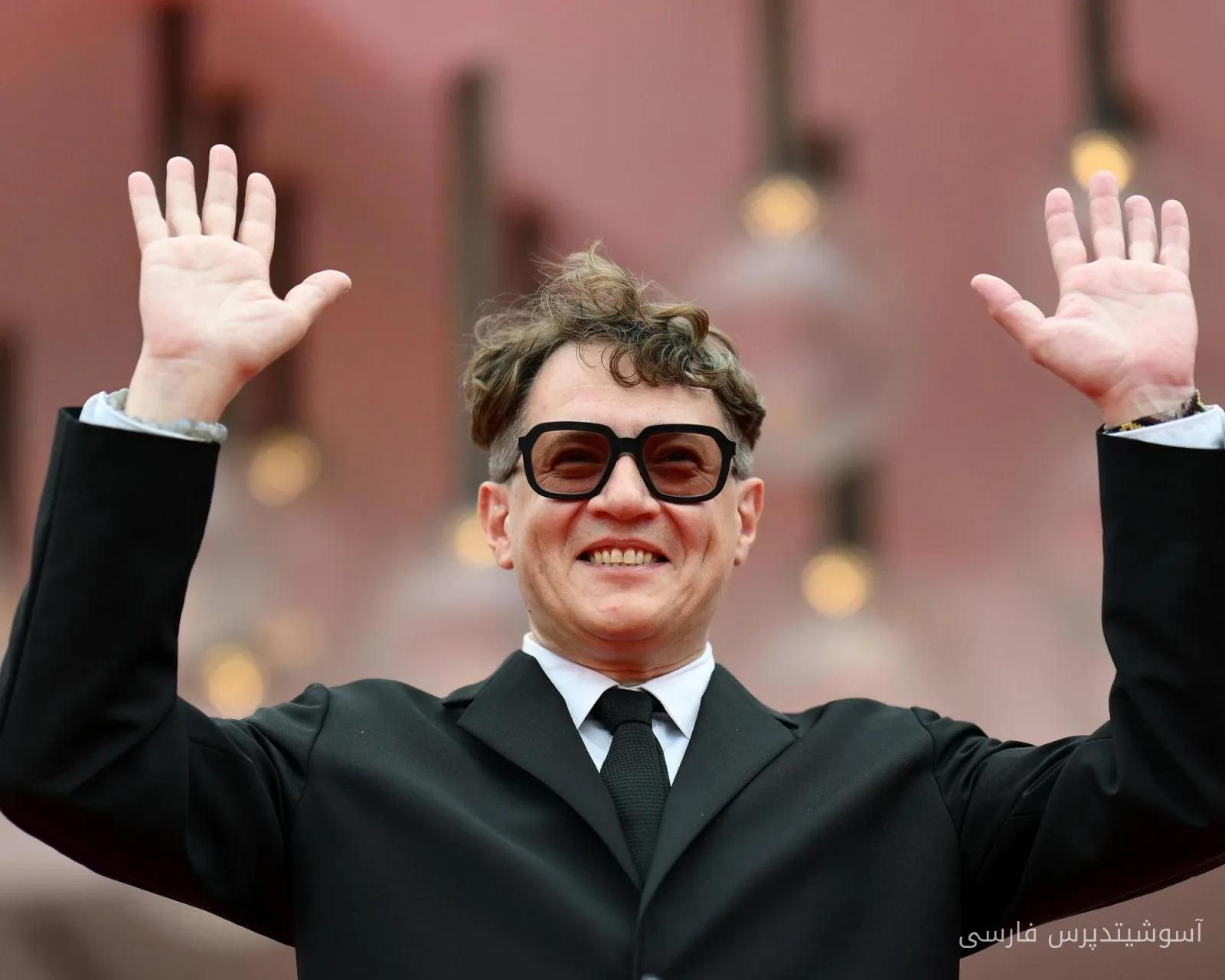
On the sidelines of the screening of DAU at the Venice Film Festival, Khrzhanovsky responded to a question about Kourentzis's stance by saying, "Everyone pays the price for their choices." This statement clearly reflects the director's perspective on political issues and that he does not wish to intervene in matters of war and political conflicts.
Teodor Kourentzis, who became famous for his role as Lev Landau, the Nobel Prize-winning physicist, has not responded to the criticisms at all and continues to defend his position regarding the war in Ukraine. This has led many viewers and critics to strongly criticize this situation, considering it a disregard for human atrocities.
Cinema and Politics: Thin Boundaries
These events highlight the serious challenges cinema faces in today's world. Should artists take political stances, or can they easily stay away from these issues? This is a question that arises more prominently when observing the reactions to the film DAU. While some believe that artists should raise their voices against oppression and injustice, others argue that art should distance itself from politics.
In any case, DAU is not just a film; this work serves as a mirror reflecting our contemporary society and asks us to think about our choices. Do we, as viewers, have a responsibility towards artists who face difficult choices?
Source: theguardian.com