In recent days, financial markets have experienced severe fluctuations due to rising oil prices and inflation-related concerns. The price of crude oil has risen above $107, primarily due to military developments in the Middle East and advances by the Houthis along the Red Sea coast of Yemen. This situation has led investors in major countries to turn to selling government bonds, increasing borrowing costs.
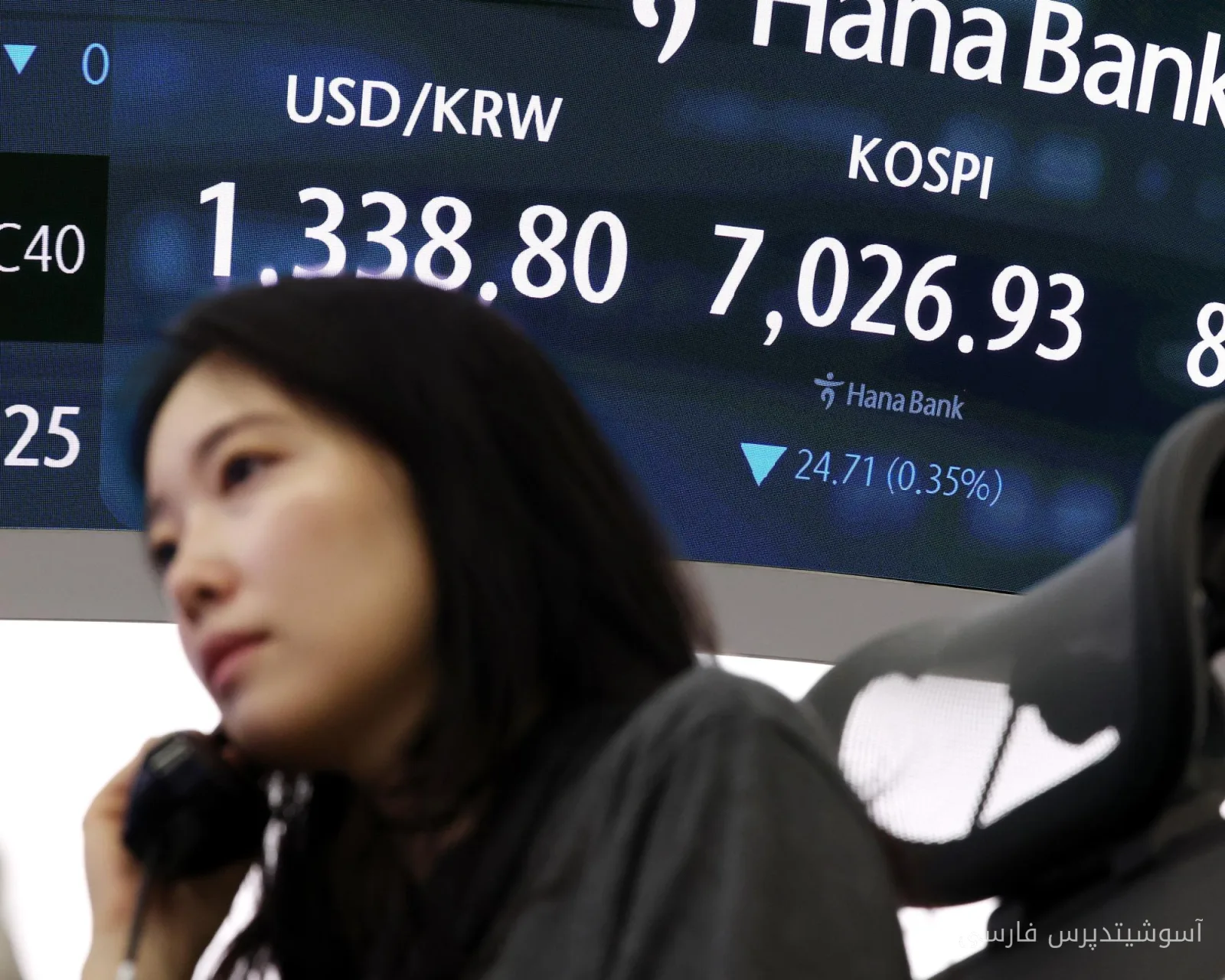
Fear of Inflation and Market Volatility
Economic analysts believe that these fluctuations are driven by several key factors. First, the rising oil prices, which increase production and transportation costs, and second, the fear that governments will resort to more borrowing to finance their deficits. These factors clearly impact inflation expectations and push markets toward uncertainty.
The rise in oil prices alone is not enough; security concerns in the Middle East, which could lead to a reduction in oil supply, exacerbate this atmosphere of insecurity. Meanwhile, investors are trying to protect their assets by selling bonds, which in turn leads to increased borrowing costs for governments.
The Economic Future in a Fog of Uncertainty
Currently, analysts are deeply concerned that the ongoing rise in oil prices and inflationary pressures will negatively impact the global economy. Will this trend continue, or will markets stabilize soon? This is a question that only time will answer. In the meantime, investors are looking for signs of improvement in the markets that indicate they can continue their risk-taking.
Source: theguardian.com