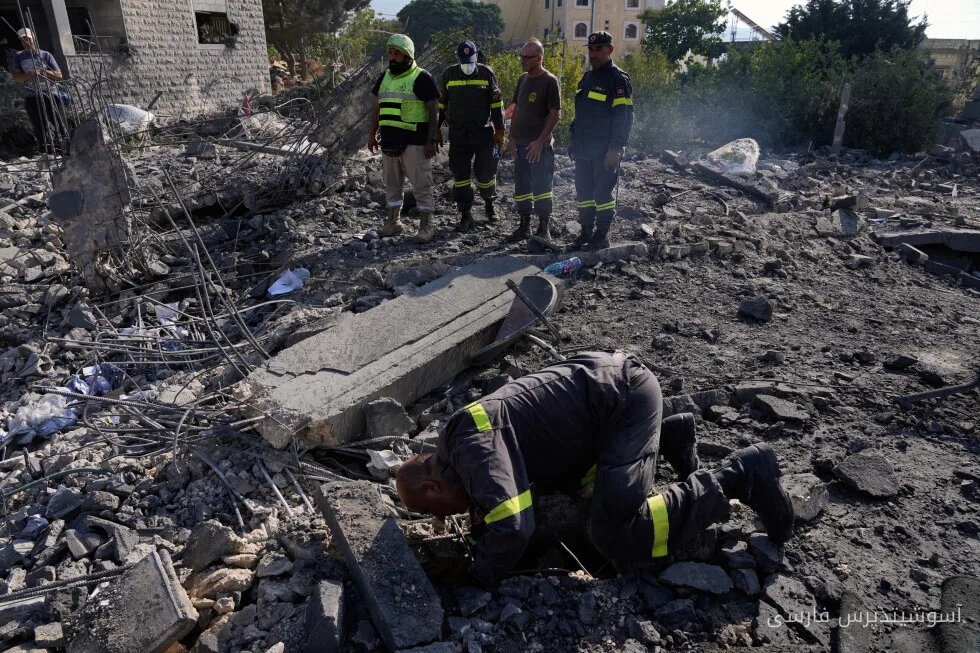
In a horrific incident, the Israeli Air Force carried out two airstrikes on a small village in southern Lebanon in the early hours of Monday. According to reports, these attacks have claimed the lives of at least nine people and injured ۱۳ others. The victims of this attack include women and children, clearly highlighting the humanitarian consequences of these strikes.
Latest Developments at the Lebanese Borders
The Israeli airstrikes on Lebanon come amid heightened tensions in the region. These attacks not only reflect the unstable security situation at the borders of Lebanon and Israel but also illustrate the disastrous consequences of ongoing wars in the Middle East. According to the Lebanese Ministry of Health, the victims of these attacks were quickly transferred to hospitals, and the condition of some of the injured has been reported as critical.
This is not the first time such attacks have occurred in Lebanon, but the intensity and casualties resulting from these strikes portray a new dimension of the humanitarian crisis in the country. While the international community seeks solutions to de-escalate tensions in the Middle East, these attacks highlight diplomatic failures and the inability to prevent humanitarian crises.
International Responses and Consequences
Many international observers have expressed concern over this situation and called for an immediate halt to such attacks. These strikes not only lead to increased tensions in Lebanon but could also result in the emergence of new crises at the regional and even global level. As this situation continues, serious questions arise about the future of peace and stability in the Middle East.