The 2026 World Cup has become a vortex of exciting football, sparking necessary discussions about the power of the sport, the resilience of weaker teams, and the importance of the diaspora. In a world marked by deep cultural divides, this tournament provided a unique opportunity for people from diverse backgrounds to share a meaningful experience simultaneously.

Infantino's Controversial Proposal
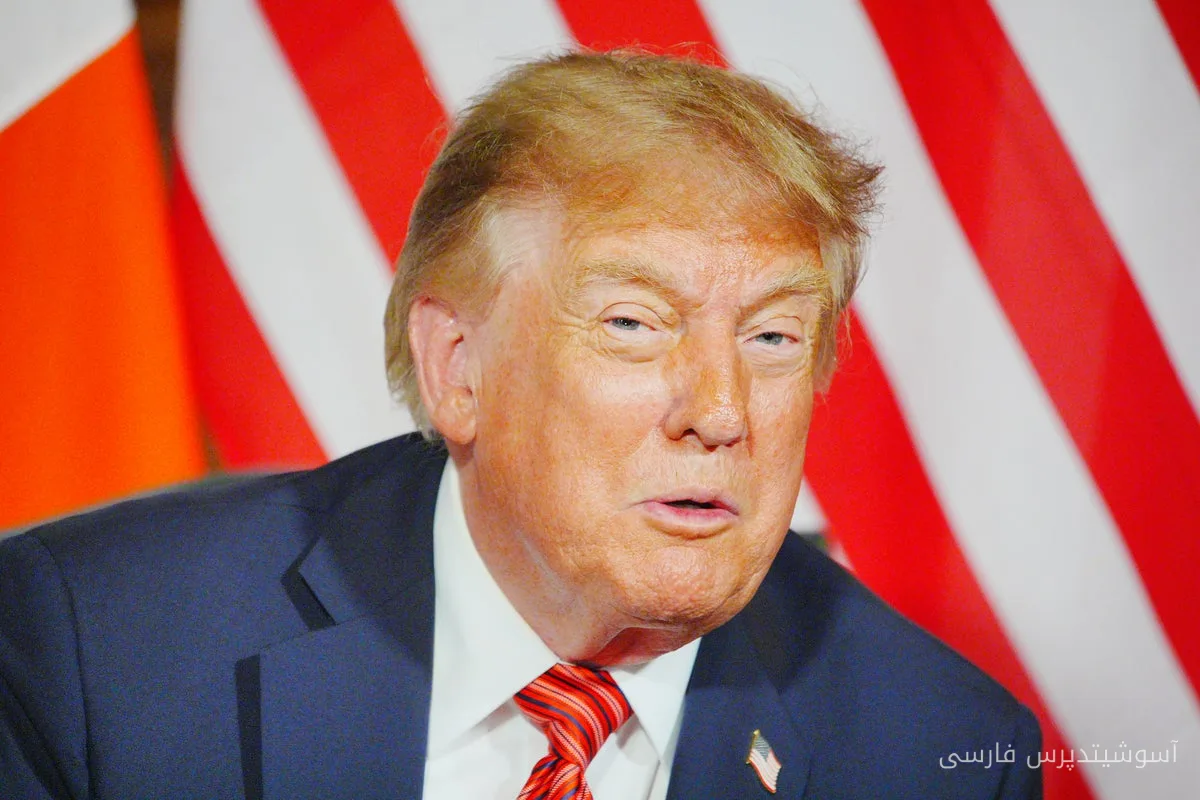
However, as soon as this grand event concluded, Gianni Infantino, the FIFA president, dropped a political bombshell at the post-match celebration by proposing the privatization of the World Cup. He sought to inject $20 billion of private investment into the event and has sought assistance from JP Morgan and Thrive Capital, an investment firm managed by Joshua Kushner, the brother of Jared Kushner, Donald Trump's son-in-law.
These changes in FIFA's financial and managerial structure have raised serious concerns about the future of football. Is FIFA moving towards greater commercialization and distancing itself from the core values of the sport? The complex financial connections and large investments may benefit only investors and specific individuals rather than promoting the development of football globally.
The Need for Independent Oversight
In such circumstances, the need for independent oversight from governments and NGOs is felt more than ever. To preserve the human and social values of football, these entities must step in and uphold the "people's game." Infantino and his colleagues must recognize that football is more than a business and should be regarded as a means of global solidarity and friendship.
Given the recent changes and existing concerns, it remains to be seen whether FIFA can adhere to its fundamental principles or if it will move towards a fully commercial system. In today's world, football requires oversight and attention more than ever to remain a symbol of global solidarity.
Source: theguardian.com