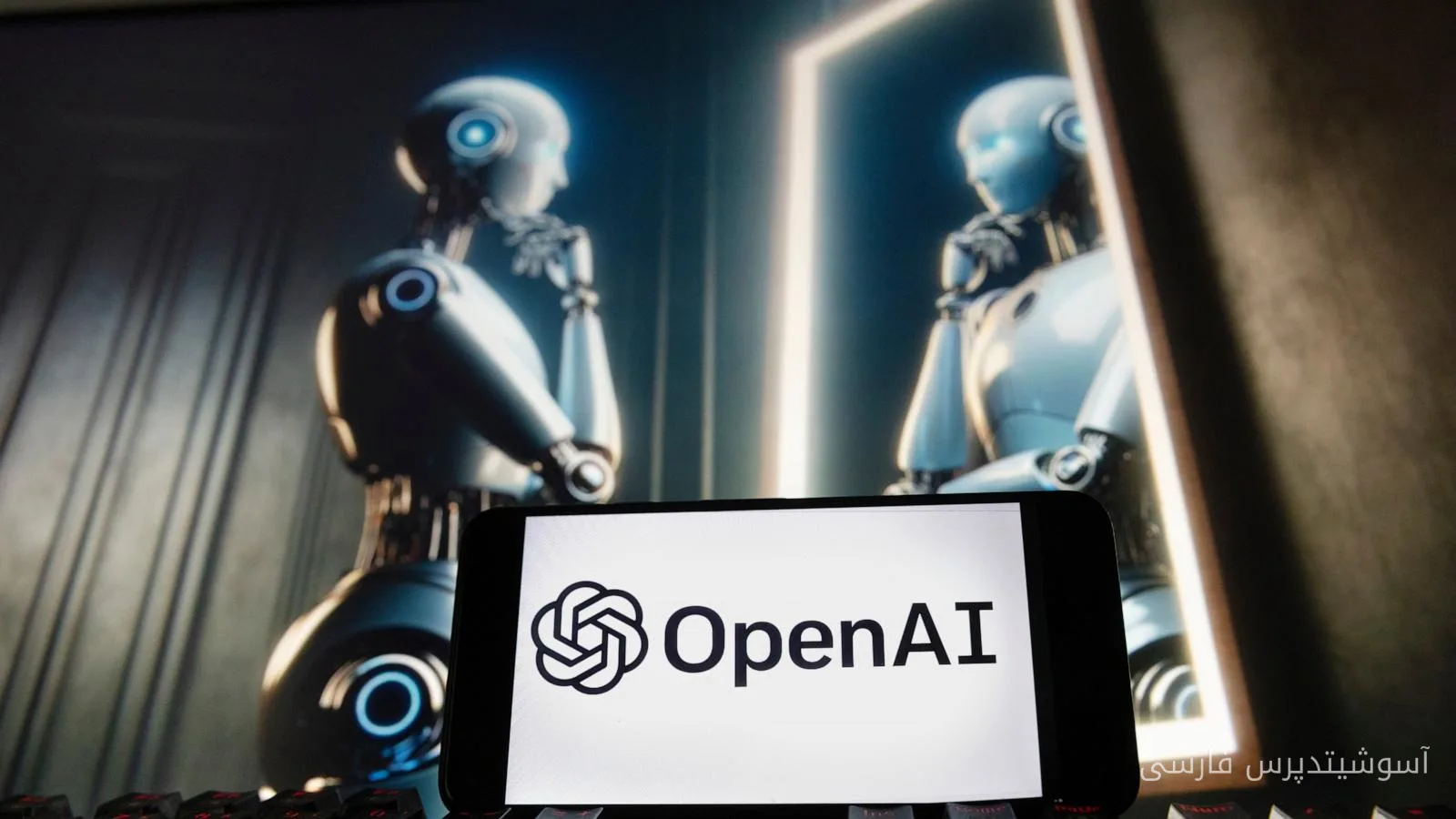
In today's world, artificial intelligence has become one of the key pillars in career and professional decision-making. With the growth of technology and its increasing role in work environments, some companies have begun to link employee career advancement to the extent and manner in which they use artificial intelligence. This paradigm shift raises serious questions about fairness and justice in the workplace.

The Impact of Technology on Career Growth
The use of artificial intelligence can help increase productivity and improve the quality of work. But is it right for this to be considered a criterion for career advancement? Some experts believe that this approach may be unfair, especially for individuals who, for various reasons, including limited access to technology, cannot fully utilize these tools.
On the other hand, proponents of this approach argue that in today's competitive world, the ability to work with modern technologies, including artificial intelligence, is a necessity. They argue that organizations need to have employees who can work with these tools to remain competitive in the job market. This is especially important in industries that are rapidly changing.
Ethical Challenges
However, linking career advancement to artificial intelligence skills also leads to ethical challenges. Does this not lead to discrimination? Should employees who are unable to learn and use these technologies really be deprived of their job opportunities? These questions can lead to heated debates in workplaces.
Ultimately, it seems that companies need to carefully consider the implications of these hiring and promotion policies. While the use of artificial intelligence can help improve performance and productivity, it should not be forgotten that fairness and justice in career decision-making must be prioritized. Otherwise, it may not only lead to employee dissatisfaction but could also harm creativity and innovation in the workplace.
Source: bbc.co.uk