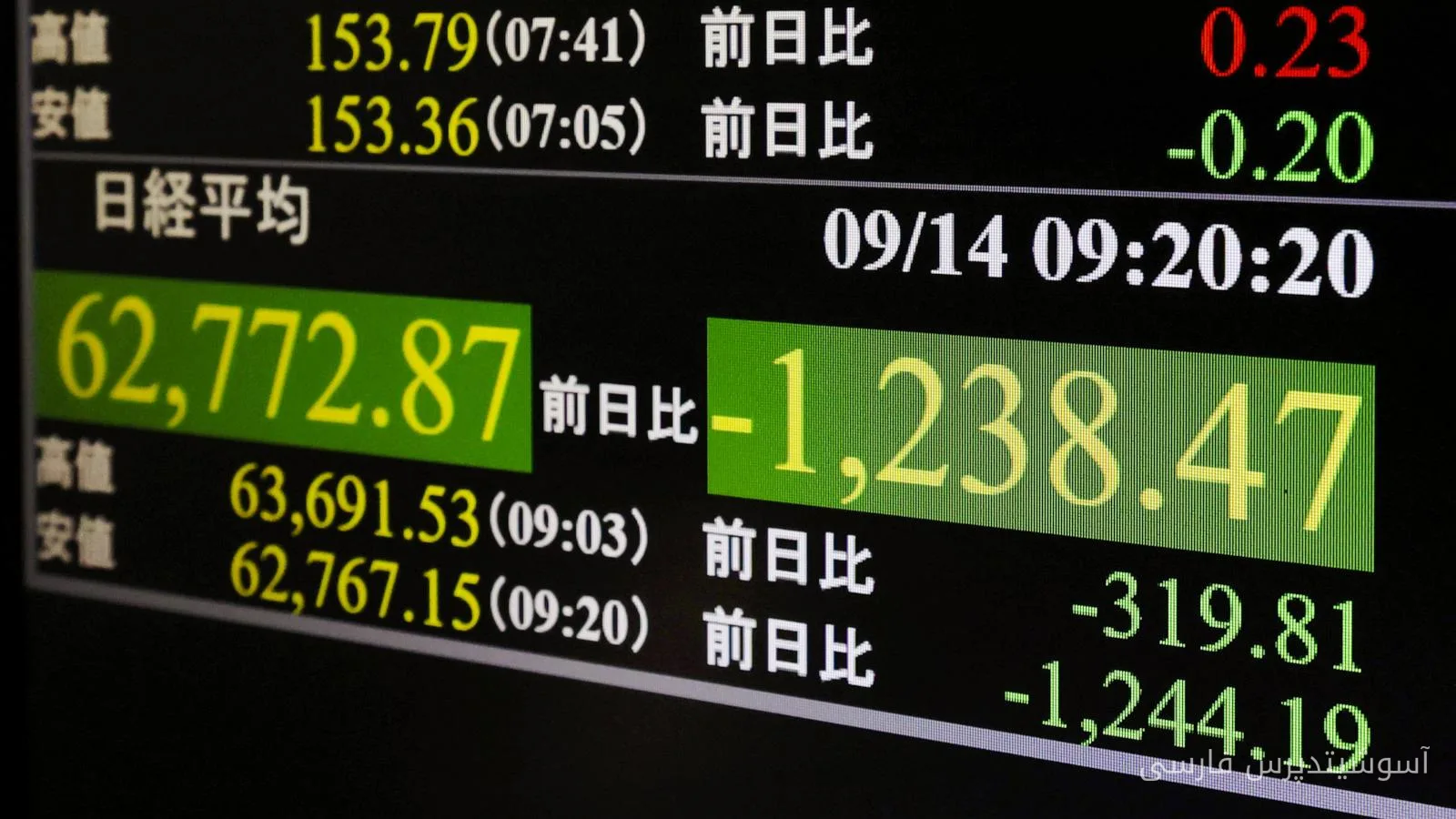
Following the escalation of tensions in the Middle East, the European Central Bank (ECB) decided to raise interest rates to 2.5%. This move comes as oil prices have surged above $105 per barrel, significantly impacting financial markets and borrowing costs in Europe.
Impact of War on the European Economy
The increase in interest rates means higher borrowing costs for consumers and businesses in Europe. This could lead to a slowdown in economic growth. The European Central Bank has warned that with the ongoing crisis in the Middle East and retaliatory attacks between the U.S. and Iran, there is a likelihood of further price increases.
Economic analysts believe that this situation could negatively affect not only the European economy but also global markets. With rising interest rates, investors are expected to turn towards safer assets like gold and the dollar.
The Role of Oil Prices in the Inflation Crisis
High oil and gas prices are recognized as key factors putting pressure on inflation in the Eurozone. Given that Europe is heavily reliant on energy imports, any increase in global prices could exacerbate economic problems. Currently, shocks from the energy market have significantly impacted consumer purchasing power and the costs of producing goods.
In these circumstances, many questions arise about the future of the European economy. Will the European Central Bank be able to cope with these challenges and prevent another economic crisis? Given recent developments, the economic future of the green continent remains uncertain, and global developments are expected to have an impact on it.
Source: theguardian.com