As regional tensions have reached their peak, Iran is creating a new ring of proxy forces that pose serious threats to America's allies in the Persian Gulf. These movements are particularly evident following the recent attacks on Saudi oil facilities, carried out in collaboration with the Houthis of Yemen.
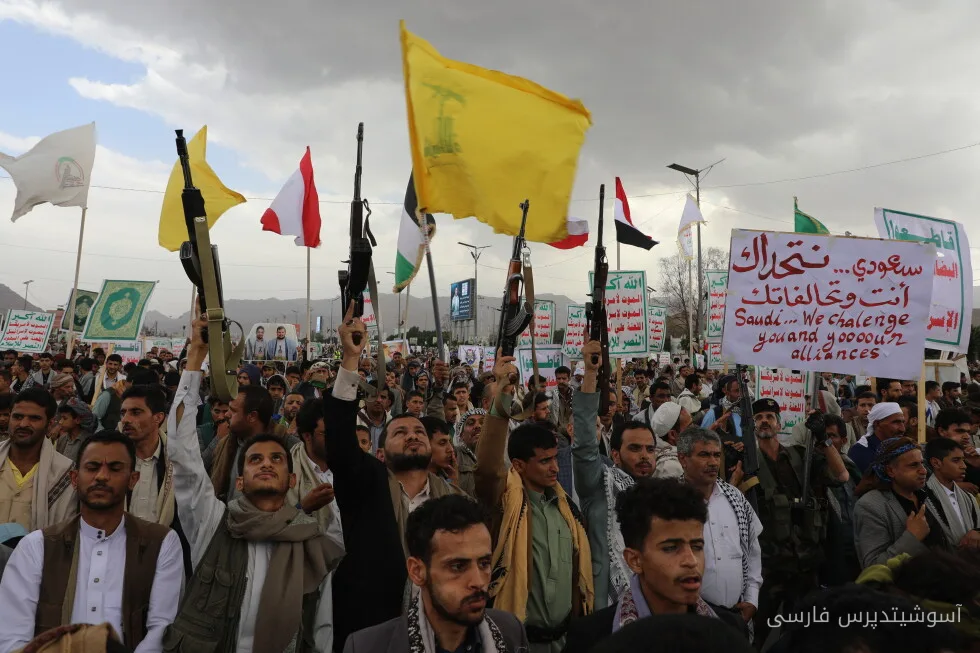
Collusion of the Houthis and Iraqi Militias
In July, Iraqi militias, supported by the Houthis, targeted Saudi oil facilities. These attacks are perceived not only as a military act but also as a political message from Iran to America's allies in the region. This cooperation among Iran's proxy groups demonstrates the country's determination to expand its influence in the Persian Gulf and threaten global energy security.
Analysts believe that these movements, especially at a time when Iran's nuclear negotiations have reached a deadlock, could be used as a bargaining tool on the international stage. Iran seeks to showcase its power and influence in the region, and these attacks are merely a sample of its military and strategic capabilities.
Consequences for America's Allies
These movements are concerning not only for Saudi Arabia but for all Gulf countries recognized as America's main allies. With increasing threats from Iran, these countries may seek to strengthen their military and security cooperation with the U.S. and other global powers. This situation could lead to a more critical state in the Persian Gulf and easily escalate into a larger conflict.
Ultimately, given these developments, it seems that Iran is determined to continuously create new threats against America's allies using its proxy forces, and this could have serious implications for regional security and the global energy market.