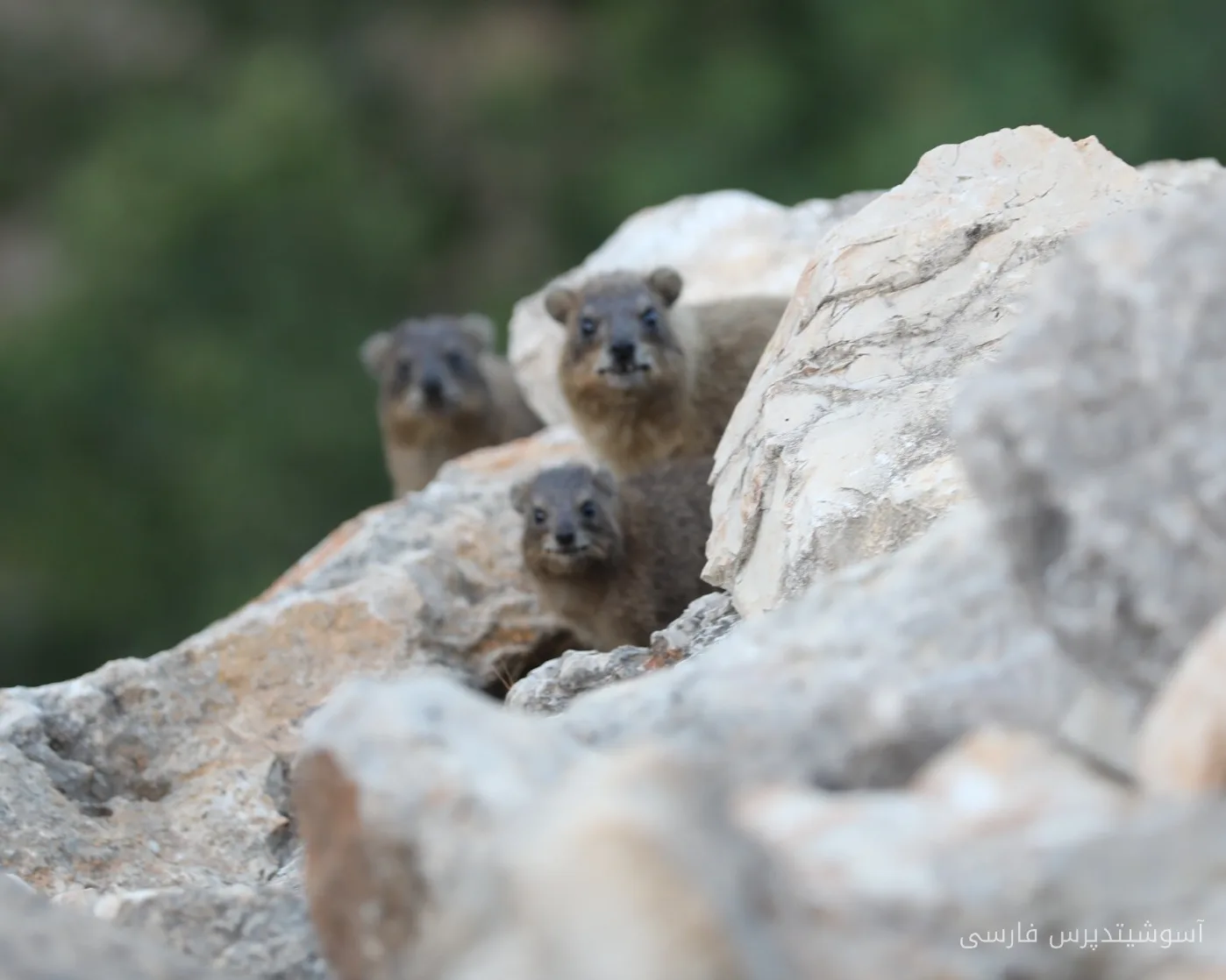
Wars are usually measured by the count of human casualties, destroyed homes, and devastated cities, but what lies beneath the rubble is of lesser importance. In southern Lebanon, repeated explosions not only bring about a humanitarian disaster but also destroy ancient limestone habitats that have been home to colonies of specific creatures like the Syrian hyrax for centuries.
The Devastating Effects of War on the Ecosystem
Wars hardly affect human lives, but what happens to the ecosystems that suffer in the process? As cities and villages crumble, war impacts forests, wildlife, and sensitive ecosystems along the borders of Lebanon and Israel. In this regard, the importance of preserving these habitats is as crucial as human life.
According to observations, the destruction of forests and natural environments leads to a drastic decline in the populations of hyraxes and other living beings. These small, furry creatures that depend on their specific habitats are at risk of extinction due to explosions and habitat destruction. A war that seems to affect only human lives actually has extensive and profound consequences on nature.
The Voice of Nature Amidst the Ruins
The beautiful and diverse landscapes of Lebanon are disappearing day by day. Given the military activities in this area, many environmental activists are striving to document this situation and emphasize the necessity of protecting these ecosystems. They understand that while war affects humans, the voice of nature must also be heard and acknowledged.
Ultimately, these devastations not only harm wildlife but also remind us that wars do not only impact human life; they also put the natural world at risk. In this context, it is essential to remember that the protection of nature and wildlife is a collective responsibility that must be taken seriously.
Source: theguardian.com