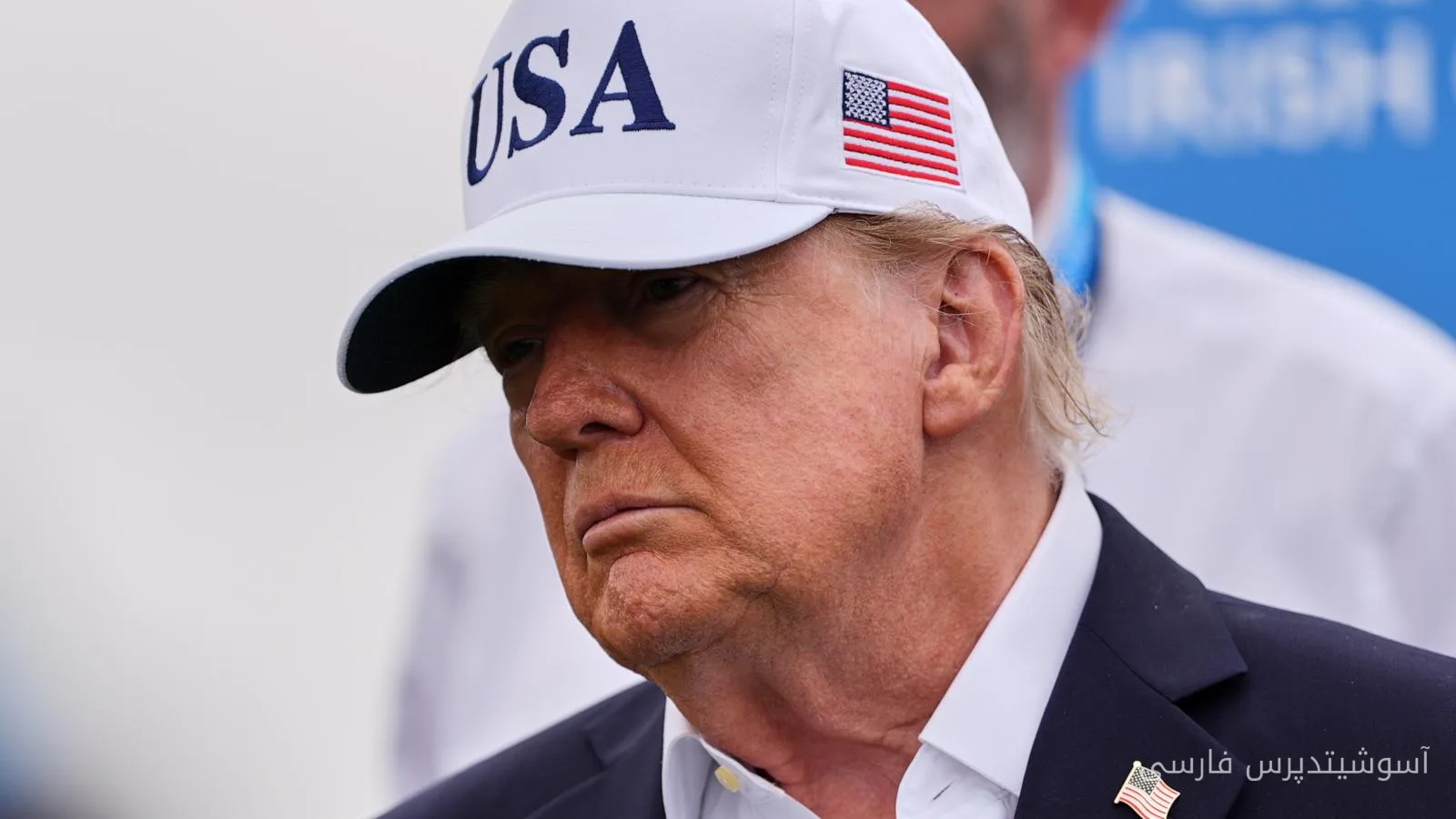
Tensions in the Middle East have sharply increased, with oil prices exceeding $100 per barrel. This price surge follows retaliatory attacks between Iran and the United States, where Iran targeted American bases in Jordan in response to the destruction of five oil tankers in the waters of the Persian Gulf.
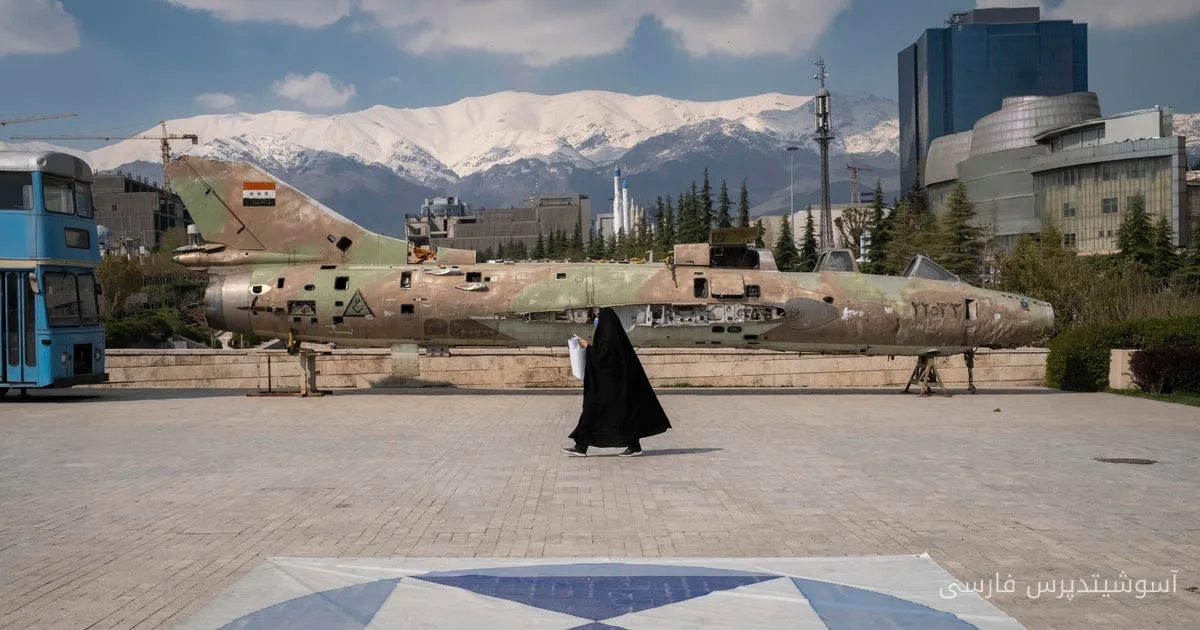
Retaliatory Attacks and Reactions
Analysts believe that these retaliatory attacks could lead to an endless cycle of military violence. While Iran seeks to strengthen its position in the region, the United States is also responding vigorously to Iran's movements. Economic experts argue that these tensions will not only impact oil prices but will also put pressure on global markets.
Amid these circumstances, many countries are seeking solutions to reduce tensions and prevent the escalation of the crisis. However, it seems that both sides are looking to demonstrate their power, complicating the situation further.
The Future of Oil Prices and the Global Economy
With the continuation of these tensions, it is expected that oil prices in global markets will continue to fluctuate. Analysts believe that if the attacks persist, prices may rise even higher, significantly impacting the global economy. On the other hand, oil-dependent countries must also prepare for the negative effects of this situation.
Ultimately, this crisis will emerge not only as a challenge for Iran and the United States but also as a major test for the global community in managing international crises. Will these tensions lead to a decrease in oil prices or even to peace? Time will provide the answer to this question.