In the cold nights of the Lapalala Game Reserve in Limpopo Province, Dr. Duncan Kanyakira from Kenya carefully observes the movement of a thermal drone flying in search of an Iranian cheetah in the dark sky. This is just part of a training workshop where 20 wildlife conservation specialists from 11 different African countries have gathered to enhance their skills in using modern technologies.
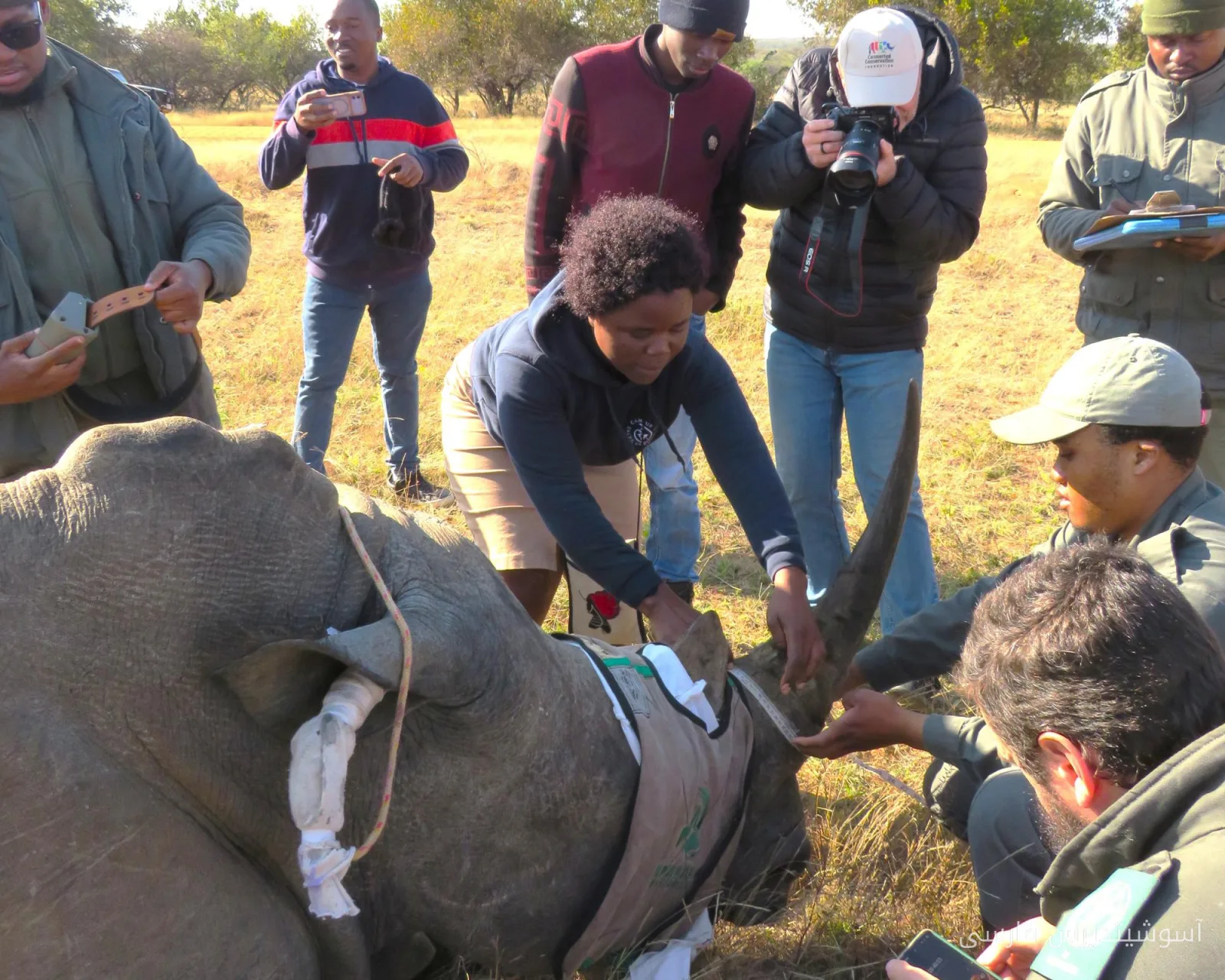
Training and Technology: The Lifesaving Hands of Wildlife
This workshop is the result of efforts by the Connected Conservation Foundation (CCF) aimed at training technicians in protected areas. Participants, who have come from countries such as Benin, Liberia, the Democratic Republic of the Congo, and Madagascar, have been invited to this program after successfully completing an online training course. Alongside them, five staff members from Peace Parks are also undergoing training.
The training provided in this course includes the use of drones for tracking and monitoring endangered species. These techniques help in wildlife conservation, especially in areas that are difficult to access. Participants can gather more accurate information about various species using advanced technologies, leading to more effective conservation actions.
Challenges and Hopes
Although new technologies can be effective tools in environmental conservation, there are also challenges along the way. These challenges include high costs, the need for specialized training, and suitable infrastructure. Nevertheless, hopes for a better future are increasing day by day with investments in innovative technologies and training young human resources.
It seems that this type of training not only helps in wildlife conservation but also strengthens cooperation and solidarity among African countries. In a world where climate change and environmental degradation pose serious threats to wildlife, the use of modern technologies can be an effective way to tackle these challenges.
Source: theguardian.com