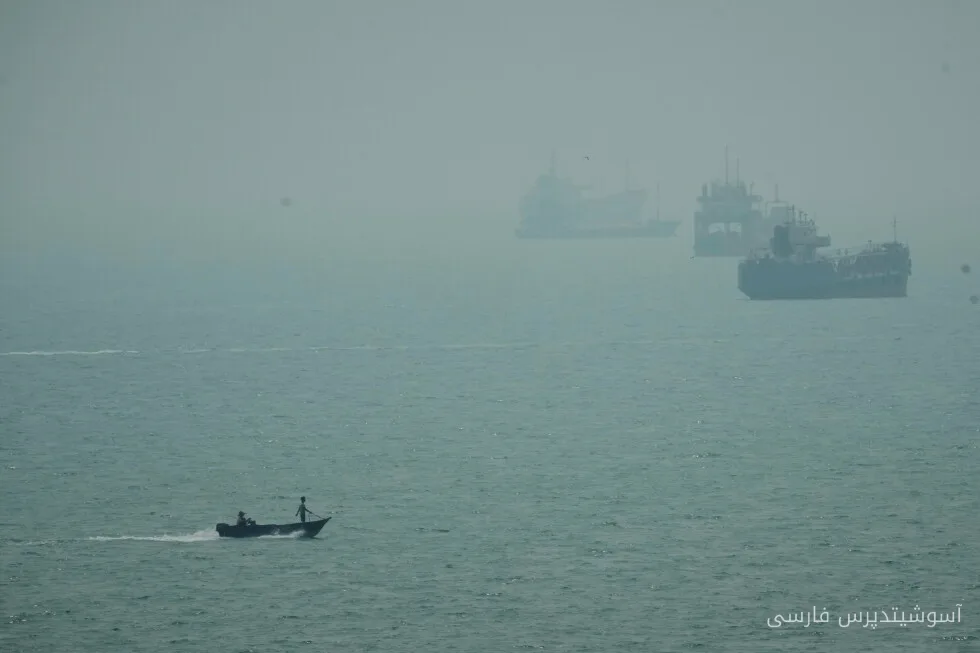
The Strait of Hormuz, recognized as one of the most important transit points for global oil, has recently witnessed significant developments. While the United States emphasizes security in the region by destroying five Iranian oil tankers, Iran is also seeking to strengthen its control over these vital waters. These conflicts not only impact the global economy but could also lead to further political tensions.
Increasing Tensions in the Strait of Hormuz
About one-fifth of the world's oil passes through the Strait of Hormuz, making it a focal point for major powers seeking dominance over this strategic location. While the United States aims to create balance in the region through military actions, Iran responds to these challenges with threats of retaliation. These tensions significantly affect the political and economic conditions of various countries during a time of rising energy prices.
Challenges Arising from Energy Prices
With the increase in energy prices, countries are facing economic and political crises. This is particularly evident in oil-dependent countries, where price fluctuations can lead to social and political unrest. In this context, diplomatic and military responses in the Strait of Hormuz are closely monitored, and any action could lead to a larger crisis.
Meanwhile, it seems that recent U.S. actions in destroying oil tankers are perceived not only as a military move but also as a political message to Iran and other countries. This action may also be interpreted as a strategy to control energy prices in the global market.