In today's world, education is recognized as one of the main pillars of individual and social success. However, a concerning trend is emerging in many high-income countries: a decline in family interest in their children's education. This situation is particularly evident as test scores are significantly dropping.
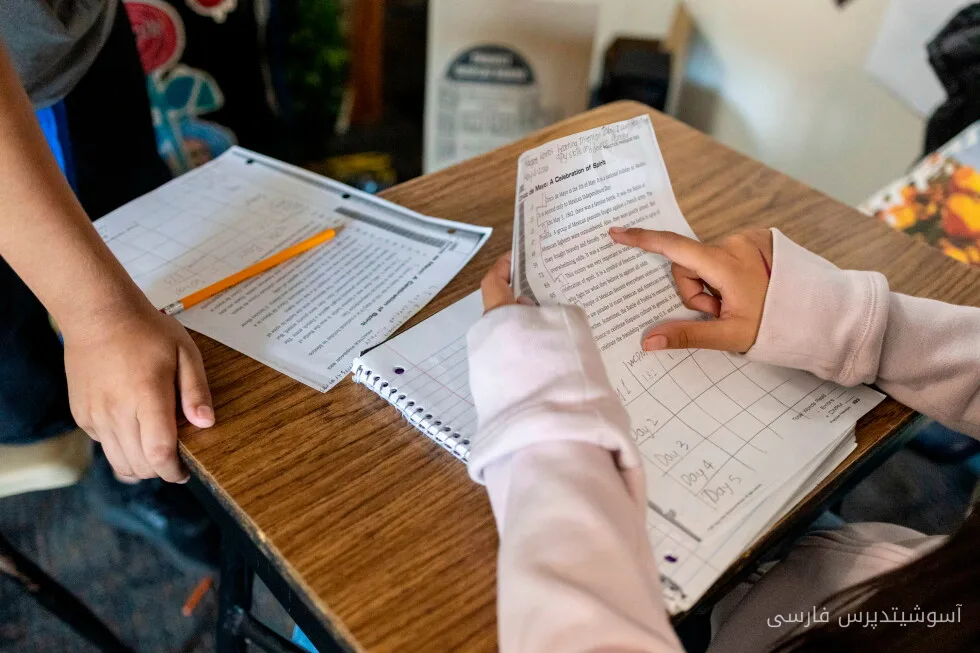
Challenges of Educational Systems
International assessments show that student scores in various subjects have sharply declined, raising widespread concerns globally. This drop in scores is especially noticeable in developed countries where educational systems were expected to perform more effectively. In this context, families' willingness to engage and participate in their children's educational processes is clearly decreasing.
Research indicates that feelings of hopelessness and distrust in the quality of education are among the main reasons for this decline in interest. Families, instead of hoping for improvements in the educational situation, are distancing themselves from the education process. This issue could have serious consequences for the future generation.
Social and Cultural Consequences
This trend not only affects students' scores and academic progress but can gradually lead to a decline in the cultural and social level of society as well. When families become indifferent to their children's education, an uncertain and bleak future for society is depicted. In fact, this neglect of education can weaken the social and economic foundations of the community.
It seems that to address this crisis, fundamental changes in educational approaches and an increase in families' trust in educational systems are necessary. If this situation continues, not only will the future of the younger generation be at risk, but society will also face greater challenges.