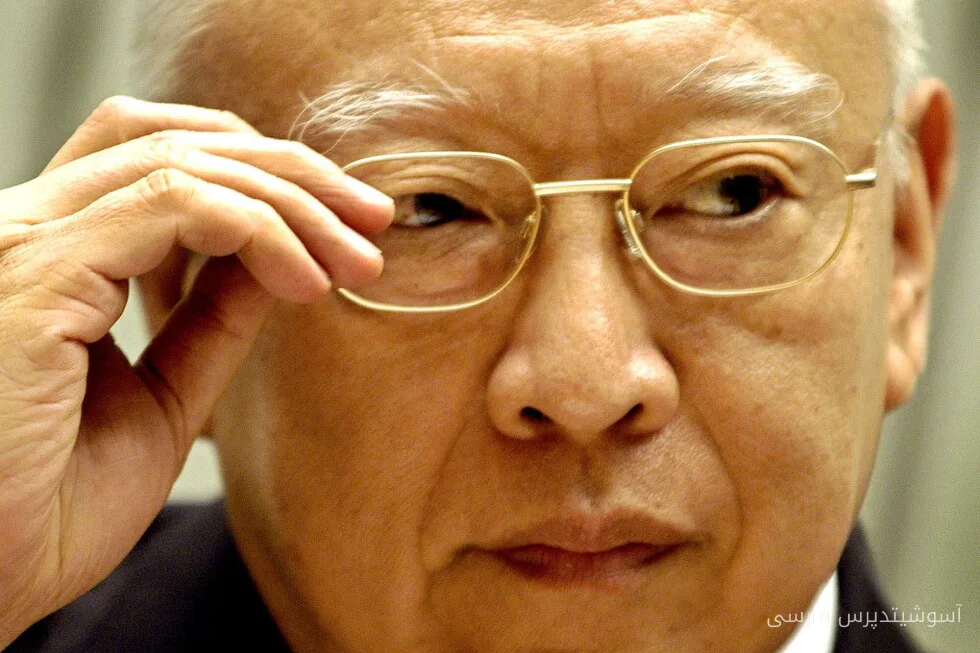
Tung Chee-hwa, the first leader of Hong Kong after its return to Chinese sovereignty, passed away at the age of ۸۹, and this news has sparked a wave of reflections among the people and analysts. He, recognized as one of the key figures of the post-colonial era in Hong Kong, peacefully closed his eyes to the world on Tuesday surrounded by his family.
The Historical Role of Tung Chee-hwa
Tung Chee-hwa was appointed as the first Chief Executive of Hong Kong in ۱۹۹۷, when the region came under Chinese sovereignty. Throughout his tenure, he faced numerous challenges, including efforts to preserve Hong Kong's cultural and economic identity against pressures from Beijing. This situation made Tung one of the controversial figures in the contemporary history of this land.
Despite the criticisms and challenges he faced during his tenure, many view him as a symbol of stability during a critical period. In recent years, especially during times of social and political crises, Tung Chee-hwa emphasized the importance of dialogue and understanding between the people and the government.
The Consequences of His Passing
The death of Tung Chee-hwa will have implications not only for his close ones and family but for all the people of Hong Kong and China. Many analysts believe that this event could be seen as a turning point in the contemporary history of Hong Kong. The question arises whether future leaders can continue his path or whether approaches and policies in the post-Tung era will undergo significant changes.
Moreover, his death could serve as a reason for increased discussions surrounding the future of Hong Kong and its relations with China. During this sensitive period, the international community will also closely monitor developments and pay attention to the reactions of the Chinese government regarding this event. Could this incident be a wake-up call for the status quo?